
Increasing Your Yield from Marginal Land
For many UK farms, diversification is no longer a “nice to have” - it’s essential for resilience.

Rising input costs, market pressures, policy changes, and increasing climate variability are all adding uncertainty to farm businesses. Most farms are family-run, multi-generational enterprises, playing a vital role in both food production and stewardship of the countryside. Protecting their long-term viability has never been more important.
Having worked closely with farmer clusters, I’ve seen a wide range of diversification approaches — from lavender fields attracting thousands of visitors each year, to farm cafés, wedding venues, and even film locations. What’s clear is that the most successful projects are those that work with the farm, not against it.
Making Better Use of What You Already Have
Almost every farm has areas that are harder to manage and deliver limited returns. These might include:
Awkward field shapes
Poor or inconsistent soils
Steep slopes
Wet corners
Land with difficult access
Often, this land is underutilised or entered into stewardship schemes. But in many cases, it has the potential to generate far greater value when used differently.
This is where low-impact diversification can make a real difference.
Why Glamping — and Why Now?
Low-impact glamping, particularly safari-style tents, has become an increasingly popular option for good reason.
Positioned on small areas of marginal land, they can generate meaningful income without the cost, complexity, or permanence of traditional buildings. That flexibility is particularly valuable given ongoing uncertainty around policy and land use.
Compared with basic camping or bell tents, safari tents offer a much higher level of comfort — and that translates directly into stronger returns. With typical night rates in the region of £200–£350+, they can deliver a significantly higher income per unit and per acre.
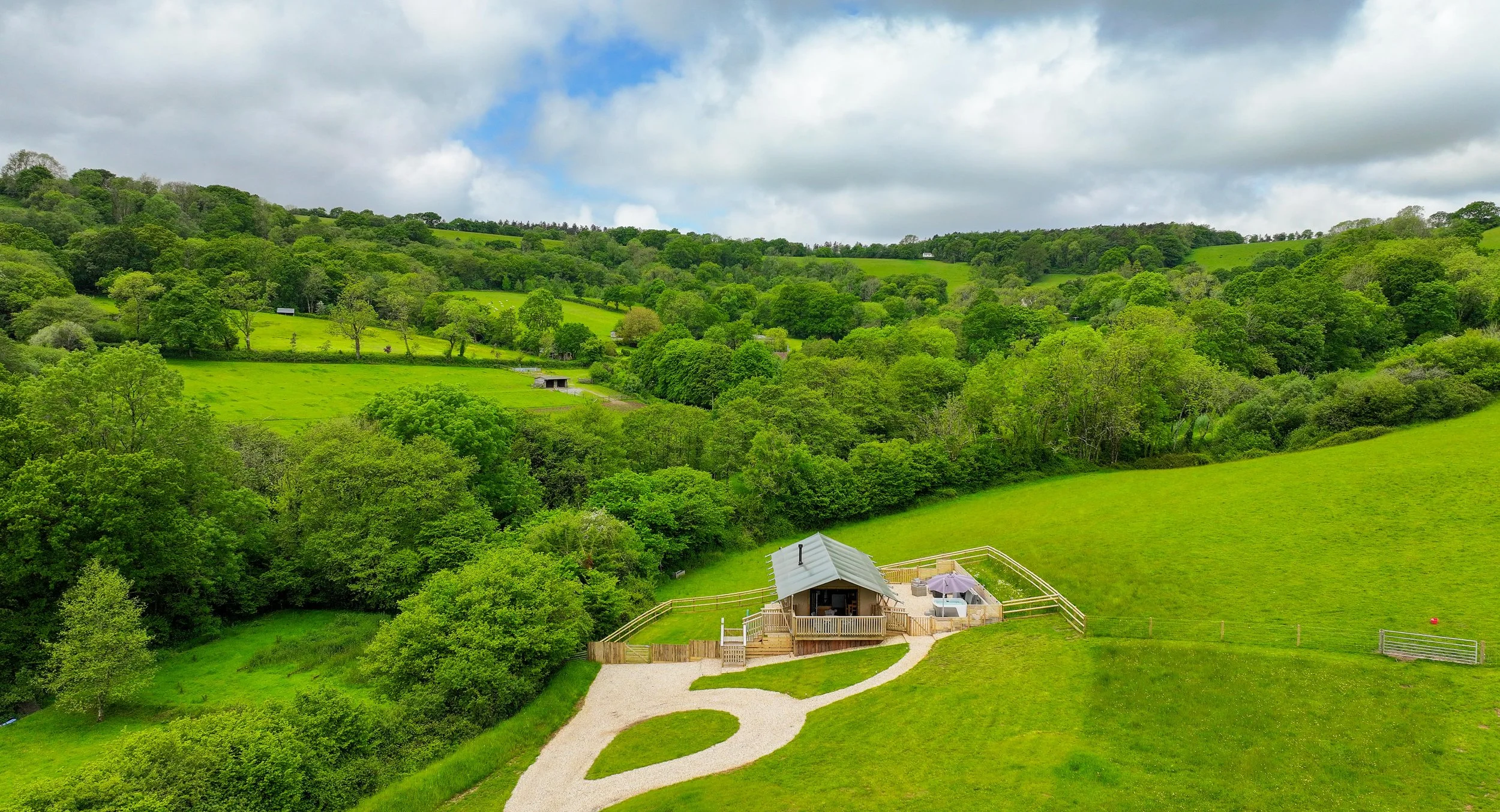
From a farm business perspective, this means:
Lower initial capital outlay than permanent structures
Strong return on investment
Higher income from less productive land
Flexibility to scale over time
Many farms start with just two or three well-positioned tents and expand gradually as demand grows.
A Natural Fit for the Farm Landscape
One of the key advantages of safari tents is how well they sit within the landscape.
Their materials, colours, and design allow them to blend naturally into their surroundings, helping to maintain the character of the countryside. At the same time, they meet the expectations of modern guests, who are increasingly looking for space, comfort, and a connection to nature.
For farms already running campsites, they can also provide a clear upgrade path — replacing lower-yield accommodation with something that offers a stronger return.
Working Alongside Environmental Schemes
Diversification doesn’t have to compete with environmental goals — in many cases, it can enhance them.
There is growing demand from visitors for peaceful, nature-rich environments. Managing marginal land for biodiversity, whether through Defra’s Environmental Land Management schemes or other initiatives, can both generate income and significantly improve the guest experience.
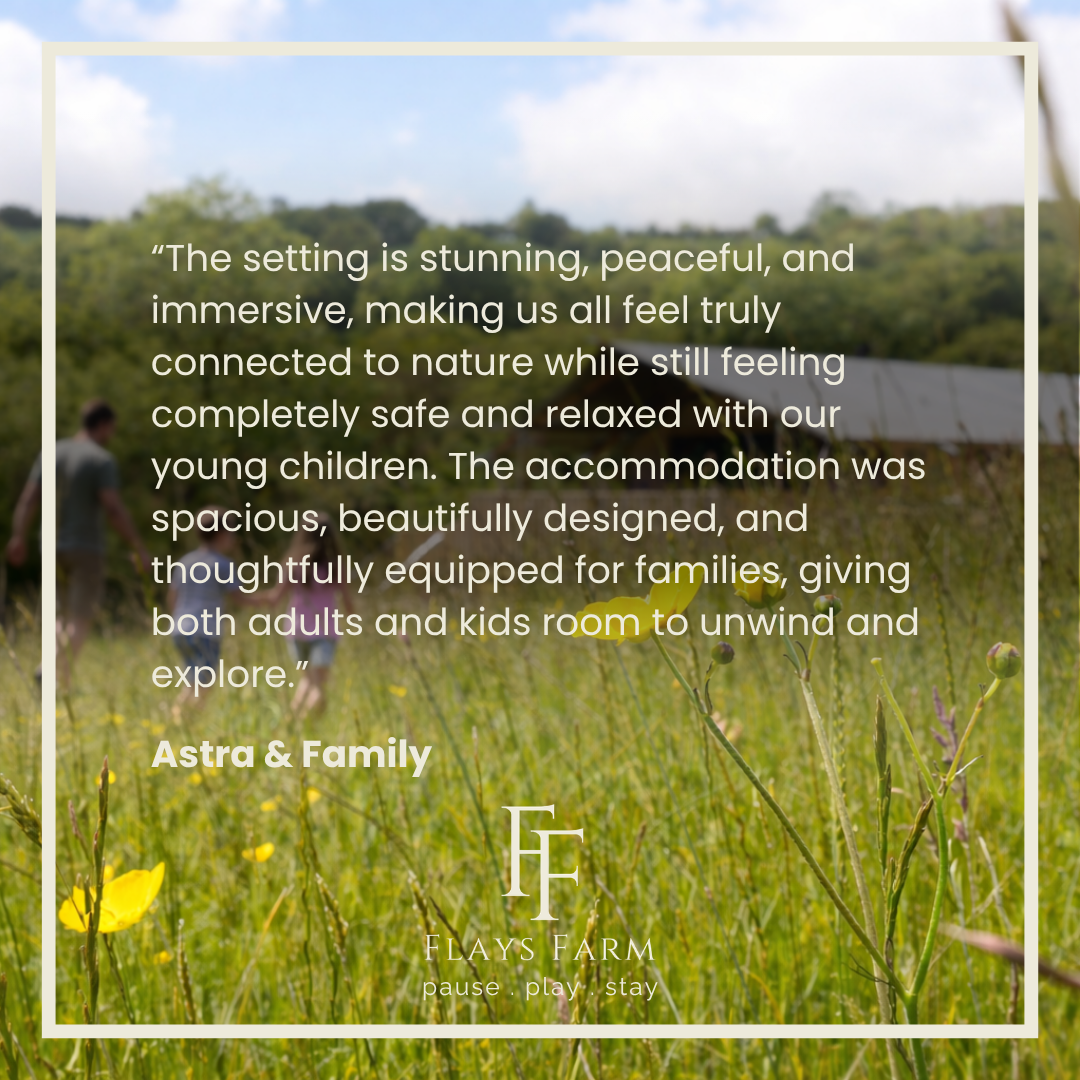
Thoughtful integration is key. For example:
Positioning tents near species-rich grassland or wildflower meadows
Planting hedgerows or trees to create privacy and shelter
Enhancing habitats that guests can enjoy during their stay
Telling this story — how the land is being managed and improved — can also strengthen marketing and help guests feel more connected to where they are staying.
Adding Value to Existing Enterprises
Not all diversification requires starting from scratch.
For farms that already have a public-facing element — such as a farm shop, café, or on-site activities — the opportunity may lie in expanding what’s already there.
A well-designed tented structure can provide flexible, year-round space, enabling:
Increased capacity for hospitality businesses
Seasonal events and private functions
More consistent trading despite unpredictable weather
In many cases, this is about unlocking more value from an existing enterprise rather than creating a new one.
Start Small, Build Smart
There’s no one-size-fits-all approach to diversification. The most successful projects are those that reflect the individual farm — its land, location, and the people behind it.
Starting small is often the most effective strategy. A handful of well-placed units on less productive land can establish a valuable additional income stream, while keeping risk manageable. From there, the business can grow in line with demand.
Diversification doesn’t have to mean large-scale change. Often, it’s about making better use of what’s already there — in a way that complements the farm as a whole.
It’s often helpful to hear directly from farmers who’ve already done this:
Click to watch Dairy Farmer, Andrew Jones’ video about his experience OR
Read more about his story here.
For more inspiration about our Event Tents, click here
Marc Crouch
marc.crouch@safaritents.net; 07593 720463